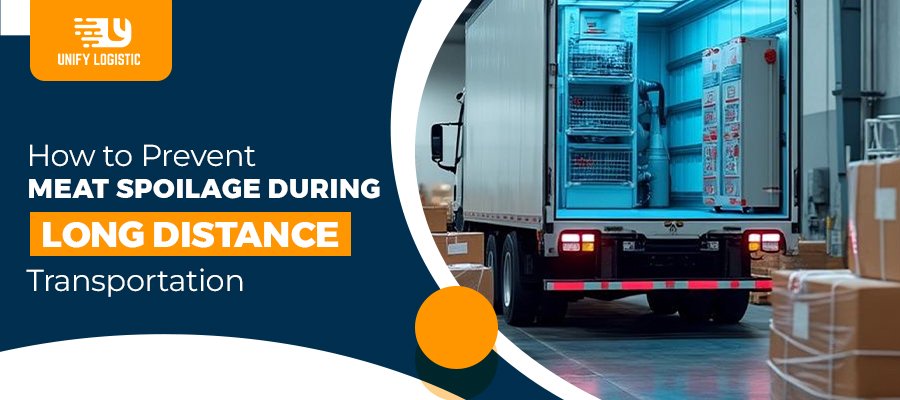
The Ultimate Guide to Safe Meat Transport Over Long Distances
The transport of meat over a long distance is not as simple as just putting the refrigerated products in a truck and ensuring that they reach the other end without any problem. Meat products have a high perishability rate, and once there are any issues related to the maintenance of temperatures, the meat product starts changing quality and safety.
This is why the reliability of OTR Transportation Services becomes so important when there is a requirement for transporting meat over states or regions. The trip might take hours or even days, but the conditions in the truck must be maintained at all times.
Why Does Meat Spoil During Long Distance Transportation?
Meat is subject to spoilage due to exposure to temperatures other than those that are needed for its proper storage, especially if it keeps going from hot to cold and vice versa. Packaging, handling, delay in unloading, poor ventilation, and technical problems may all contribute to the problem.
One more challenge that is often overlooked is duration.
The longer meat spends in transportation, the greater the chances that something will go wrong. Delays with loading, traffic problems, breakdowns, and unplanned stops increase the risks of delays and strain the whole cooling chain.
Thus, good transportation planning should start well before the truck leaves the facility.
How Does Proper Packaging Help Prevent Meat Spoilage?
The function of packaging goes beyond just making the meat easier to manage. Good sealing helps the product remain safe from contaminants, dehydration, damages, and other adverse factors from the external environment. In the case of frozen products, packaging must be able to withstand the freezing temperatures without breaking down or opening up.
The arrangement of the cargo in the trailer also plays an important role.
Products should not be placed in as tightly packed manner as possible. There needs to be air circulation between the load in order for the refrigeration system to keep the temperature balanced. Obstructing the vents and packing too tight will create warm spots inside the trailer.
How Can Cold Chain Monitoring Protect Meat During Transit?
A good cold chain does not stop when the doors of the trailer close because today’s temperature monitoring devices can provide information about conditions during the entire period of transportation and warn operators if temperatures are deviating from the established ranges. This way, the transportation team will have the chance to react and fix the problem, rather than finding out about it only upon delivery.
The ability to see what goes on inside the trailer while the shipment is still in transit is especially beneficial for businesses involved in Meat Logistic services.
It will make it possible to know what has been going on inside the trailer without the need to perform all temperature readings manually.
What Role Does Technology Play in Preventing Meat Spoilage?
Advancements in technology have made it so simple to track and check refrigerated shipments on the way. GPS tracking can provide location visibility, and temperature sensors can monitor conditions inside the trailer. Fleet management systems can help transportation teams identify delays and adjust plans when circumstances change.
However, all this cannot replace effective work methods still. The sensor will show that there is an increase in temperature; yet someone should look into it. This perfect blend of reliable devices and people is what makes our Logistic Solutions effective for sensitive freight.
How Can Unify Logistic Solutions Help with Meat Transportation?
Temperature-sensitive deliveries include a lot more than moving the shipment in a refrigerated vehicle. It includes planning, equipment, handling, routing, and coordinating the process between both ends. Unify Logistic Solutions, focuses on formulating delivery strategies depending on the nature of the shipments. For shipments like meat and other temperature-sensitive shipments, it includes taking into consideration all those factors that are often overlooked in the hurry of delivering the shipment.
True success in the delivery can never be measured by the time it takes for the truck to reach its destination but how well the shipment has been delivered to the destination.
Reach out and get your meat shipment sorted now!
Frequently Asked Questions
The fresh meat must be kept at a temperature from 0°C to 4°C. Frozen meat has to be kept at 18°C or below. These temperatures represent the limits for the safety of the meat; any temperatures above 4°C will cause fast multiplication of dangerous bacteria such as Salmonella and E. coli. Just a temporary rise in temperature within one or two-three hours will spoil the entire batch.
The most frequent reasons include malfunction of refrigerating equipment, poor pre-cooling of the products before loading, inability of packaging to keep required temperature for the whole journey, delays of the delivery, which make the transportation last longer than planned, and lack of real-time temperature control.
The real-time monitoring system using IoT sensors will relay temperature data all through the journey – thus giving room to detect any problem in the process rather than waiting to find out after delivery. In the case that a temperature warning alarm triggers during the journey, then the team can change course to a nearby cold storage facility, adjust refrigeration settings, or any other correction to prevent the product from being compromised. It becomes harder to correct such issues without real-time monitoring.
The insulated packages with VIP (vacuum insulated panels) and polyurethane rigid foam are the most effective in maintaining temperatures over long distances, providing extended sub-zero temperatures compared to other types of insulated packing. During the last mile delivery journey, dry ice and gel packs will provide additional support of temperatures where there is no access to refrigeration vehicles. The choice of packaging should depend on the total journey length and ambient temperatures.
Intelligent route planning minimizes travel time, reduces the chance of delay at borders or peak traffic hours, and determines cold storage sites on the route that can be used if there are problems with refrigeration. Every unnecessary hour of travel is one more hour for possible spoilage. Route planning, which takes into account distance, traffic, weather, and availability of infrastructure, is the key part of long-distance meat transportation planning.
The transportation company should be certified according to the following standards: HACCP (Hazard Analysis and Critical Control Points), ATP for refrigerated transport vehicles, and FSMA (Food Safety Modernization Act) in the USA or similar food safety standards in your region. The transportation company should also keep electronic records of temperatures for every cargo they carry; for internal quality control purposes and for the requirements of the buyers.
Still have questions?
Contact Us